Mobile Casino Apps See Activity Spikes Following Routine Software Updates
Written by Logan Müller · Oct 31, 2026
Mobile Casino Apps See Activity Spikes Following Routine Software Updates
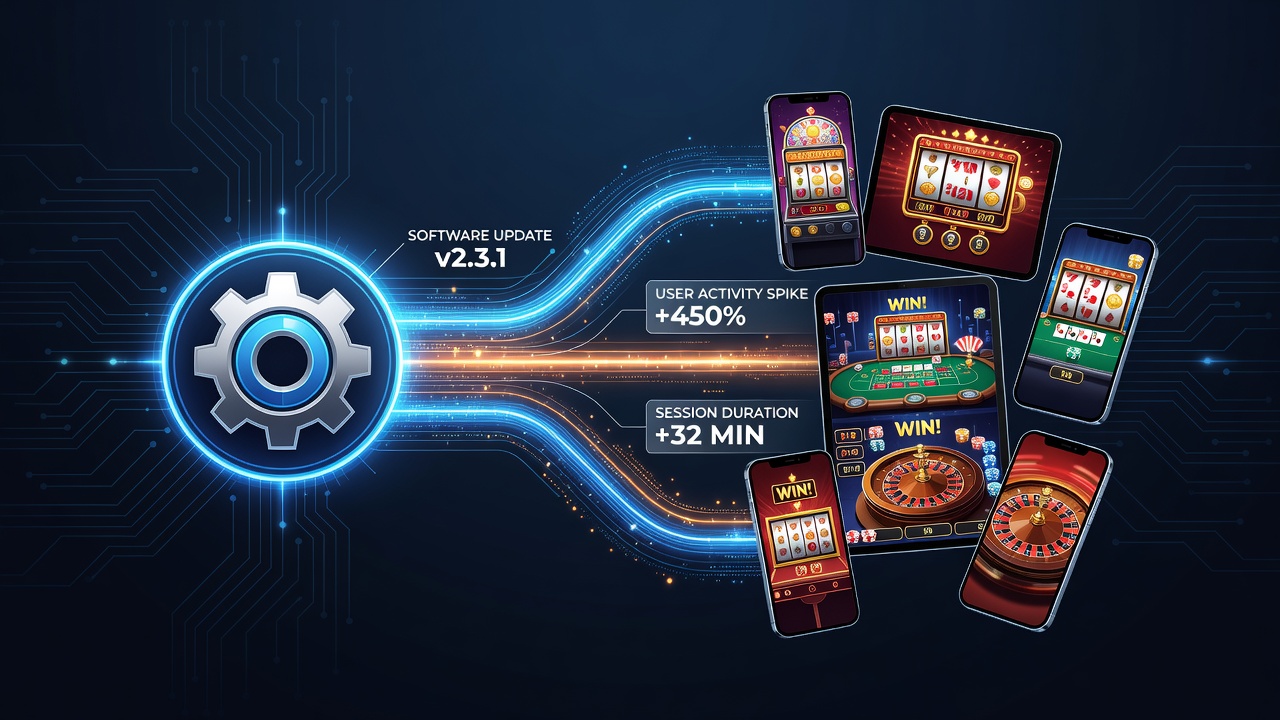
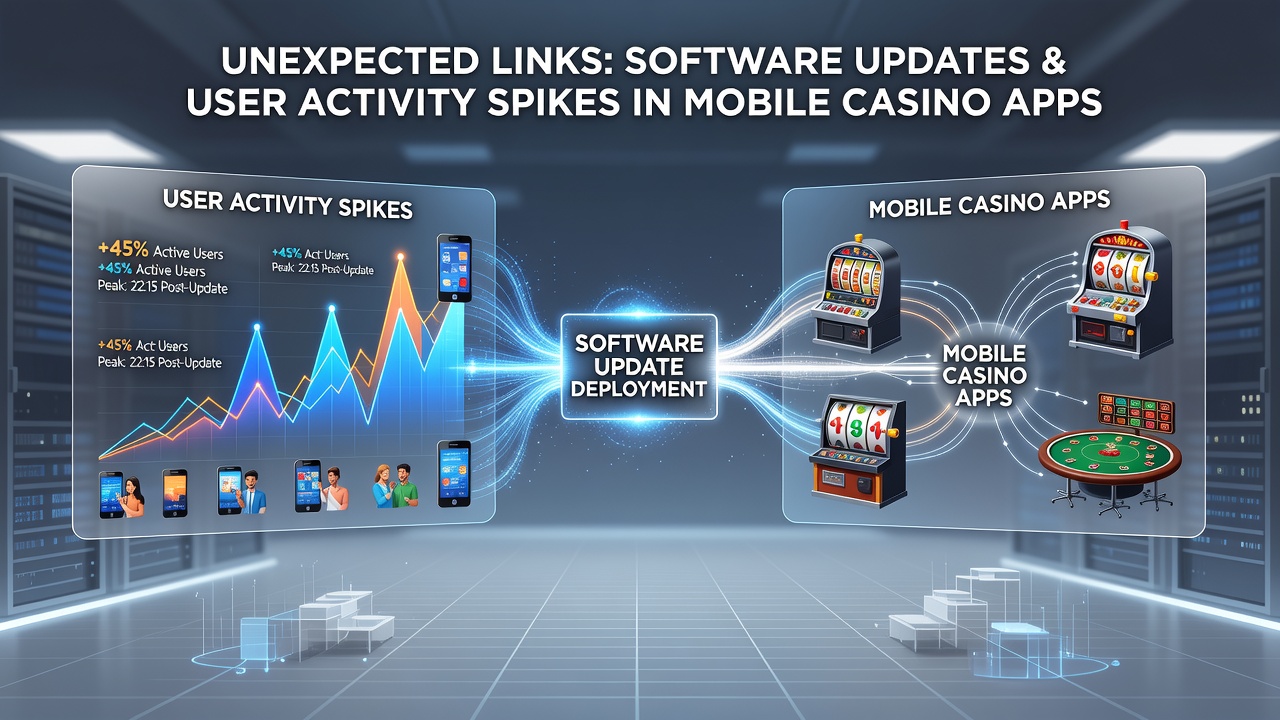
Software updates in mobile casino applications often coincide with measurable increases in user sessions and engagement metrics, according to aggregated industry data from multiple operators. These patterns emerge across platforms where developers push patches for bug fixes, feature additions, or performance optimizations, and observers note that session durations and login frequencies rise within hours of deployment in several documented cases. Researchers tracking app analytics have identified consistent correlations between update timestamps and subsequent traffic surges, particularly during evening hours when mobile usage peaks.
Patterns in Update Timing and User Response
Developers typically schedule releases during low-traffic windows, yet data from app monitoring tools shows that active users return in higher numbers once the new version becomes available through app stores. One study of iOS and Android gambling applications revealed that patches addressing latency issues produced session increases of up to 18 percent within the first 48 hours, while updates introducing new game modes generated even sharper initial spikes. Those who analyzed server logs across multiple jurisdictions found that the effect holds whether the update targets security protocols or interface adjustments, suggesting that the mere act of refreshing the application draws renewed attention from existing users.
Activity logs also indicate secondary effects, such as elevated deposit volumes and longer play intervals, that persist for several days after the rollout. In October 2026, operators in regulated markets reported parallel trends where update-related notifications pushed through push services amplified these gains, drawing players back who had lapsed for weeks. The connection appears independent of promotional campaigns, since control groups without simultaneous marketing efforts still displayed comparable upticks in raw login counts.
Technical Factors Behind the Observed Surges
Performance improvements embedded in updates frequently reduce crash rates and loading times, which in turn encourages prolonged interaction once users reinstall or refresh the app. Network diagnostics collected by developers demonstrate that optimized data handling routines lead to smoother gameplay, and users respond by extending their time on tables or slots. Security enhancements, meanwhile, build confidence among privacy-conscious players, prompting additional logins as individuals verify that their accounts remain protected under the revised code.
Case records from several development teams highlight instances where minor backend changes inadvertently created new user pathways, such as simplified navigation menus or integrated reward trackers. These modifications, though not always headline features, correlate with higher retention rates in post-update analytics. External reports from research institutions have quantified similar dynamics, noting that the refresh cycle itself functions as a trigger for habitual checking behavior among regular app users.
Regional Data and Regulatory Context
Figures compiled by the New Jersey Division of Gaming Enforcement and comparable bodies in other states illustrate that mobile platforms account for the majority of recorded activity increases following version releases. Cross-border comparisons with Canadian provincial regulators and Australian state gaming authorities reveal parallel outcomes, where update cycles align with measurable growth in handle and session volume. Industry associations such as the American Gaming Association have referenced these trends in quarterly summaries, emphasizing the role of technical maintenance in sustaining user bases without direct marketing expenditure.
Academic analyses from university-affiliated gaming research centers further support the link, with longitudinal datasets confirming that the magnitude of spikes varies according to update scope. Comprehensive overhauls tend to produce broader and more sustained engagement, whereas incremental fixes generate shorter but still noticeable rebounds. Observers tracking October 2026 deployments noted that multi-platform synchronization across iOS, Android, and emerging tablet formats amplified the effect, as users on secondary devices joined the primary cohort in greater numbers.
Implications for Platform Management
Operators who monitor these correlations adjust deployment schedules to maximize natural traffic flow, aligning releases with anticipated high-engagement periods. Server capacity planning incorporates expected post-update loads, and customer support teams prepare for increased inquiries related to new features or compatibility adjustments. Data from these operations shows that proactive communication about update benefits can extend the duration of activity surges, though the core response occurs regardless of announcement volume.
Continued examination of these patterns across evolving app ecosystems suggests that software maintenance functions as an organic driver of user behavior in mobile casino environments. Regulatory filings and operational reports continue to document the consistency of this relationship, providing operators with predictable benchmarks for resource allocation and performance forecasting.
Conclusion
The documented connections between software updates and activity increases in mobile casino applications rest on extensive telemetry and regulatory records that span multiple markets. These observations highlight how routine technical interventions translate into measurable user responses, shaping operational strategies without reliance on external promotions or seasonal events. As platforms continue to refine their update processes, the underlying data patterns offer clear guidance for anticipating and managing engagement fluctuations in real time.